
ElevenLabs: review, pricing and alternatives
What is ElevenLabs?
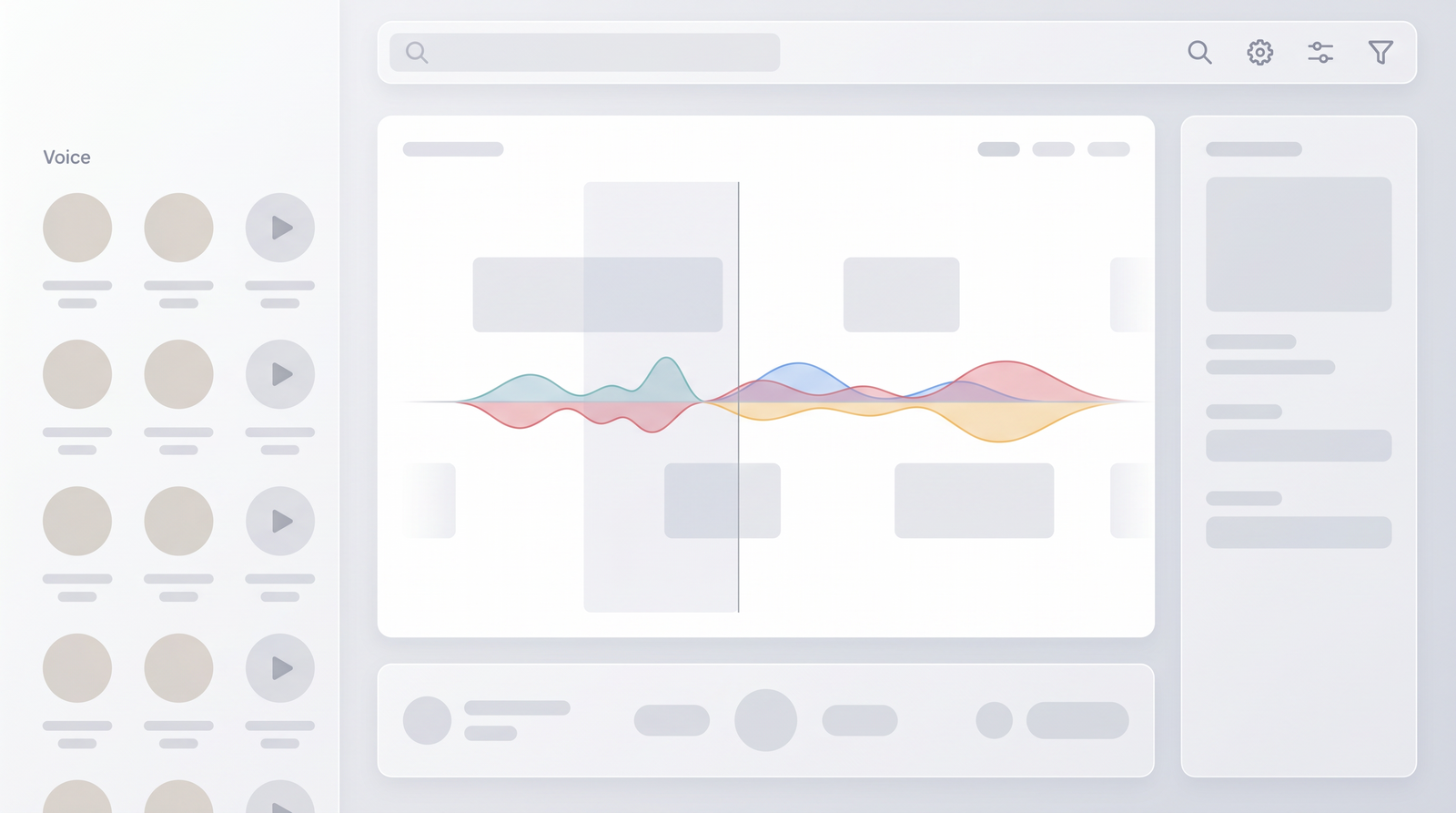
When I first encountered ElevenLabs, it quickly became clear that this wasn't just another run-of-the-mill text-to-speech tool. It's an AI audio platform that genuinely aims to push the boundaries of synthetic voice generation. At its core, ElevenLabs takes written text and transforms it into spoken audio, but the key differentiator is its relentless focus on creating voices that sound incredibly realistic, human-like, and emotionally nuanced. It moves far beyond the robotic, monotone voices we often associate with older AI systems.
The platform's primary function is text-to-speech, but it's designed for a wide array of content creation needs. Think voiceovers for YouTube videos, engaging narration for Instagram Reels, professional-sounding audiobooks, captivating podcast segments, and clear explainer videos. What truly impressed me from the outset was the natural expressiveness and consistency of the voices. They don't just read words; they convey tone and emotion, making the listening experience much more engaging.
In my experience, this focus on high-quality, natural-sounding audio is why so many creators, from indie authors to YouTube personalities, have flocked to ElevenLabs. It provides a powerful alternative to expensive voice actors or the daunting task of recording your own narration, especially for long-form content. While it's excellent for pre-produced audio, it's important to note that ElevenLabs isn't built for real-time, live conversations or interactive voice applications. Its strength lies in meticulously crafted, professional-grade audio output for diverse digital content.
Core Features: Text-to-Speech, Voice Cloning, and Dubbing
ElevenLabs isn't a one-trick pony; it offers a robust suite of features that extend beyond basic text-to-speech. The high-quality text-to-speech function itself is a standout, providing a vast library of voices that can generate speech in minutes. You can pick from their diverse collection of default voices, or, as many creators prefer, use your own cloned voice to maintain brand consistency or a personal touch. This flexibility makes it suitable for both short, punchy social media clips and extensive, long-form narratives.
One of the most talked-about and popular features, in my opinion, is voice cloning. This capability allows you to replicate an existing voice from an audio sample, which can then be used to generate new speech. ElevenLabs offers two main types: Instant Voice Cloning (IVC) for quick replication from a short sample, and Professional Voice Cloning (PVC) for higher fidelity results, often requiring more extensive audio input. This is a game-changer for content creators who want to use their own voice without spending hours in a recording studio, or for authors who want a consistent narrator across multiple projects.
Beyond voice generation, ElevenLabs has also made significant strides in localization with its AI Dubbing feature. This allows you to translate content into multiple languages while aiming to preserve the original speaker's unique voice characteristics and emotional delivery. It’s an ambitious feature that can dramatically reduce the friction of reaching a global audience. And for those looking to add another layer of immersion, the platform also includes the ability to generate custom sound effects from simple text prompts, adding yet another dimension to AI-powered audio creation.
Realistic Voice Quality and Diversity
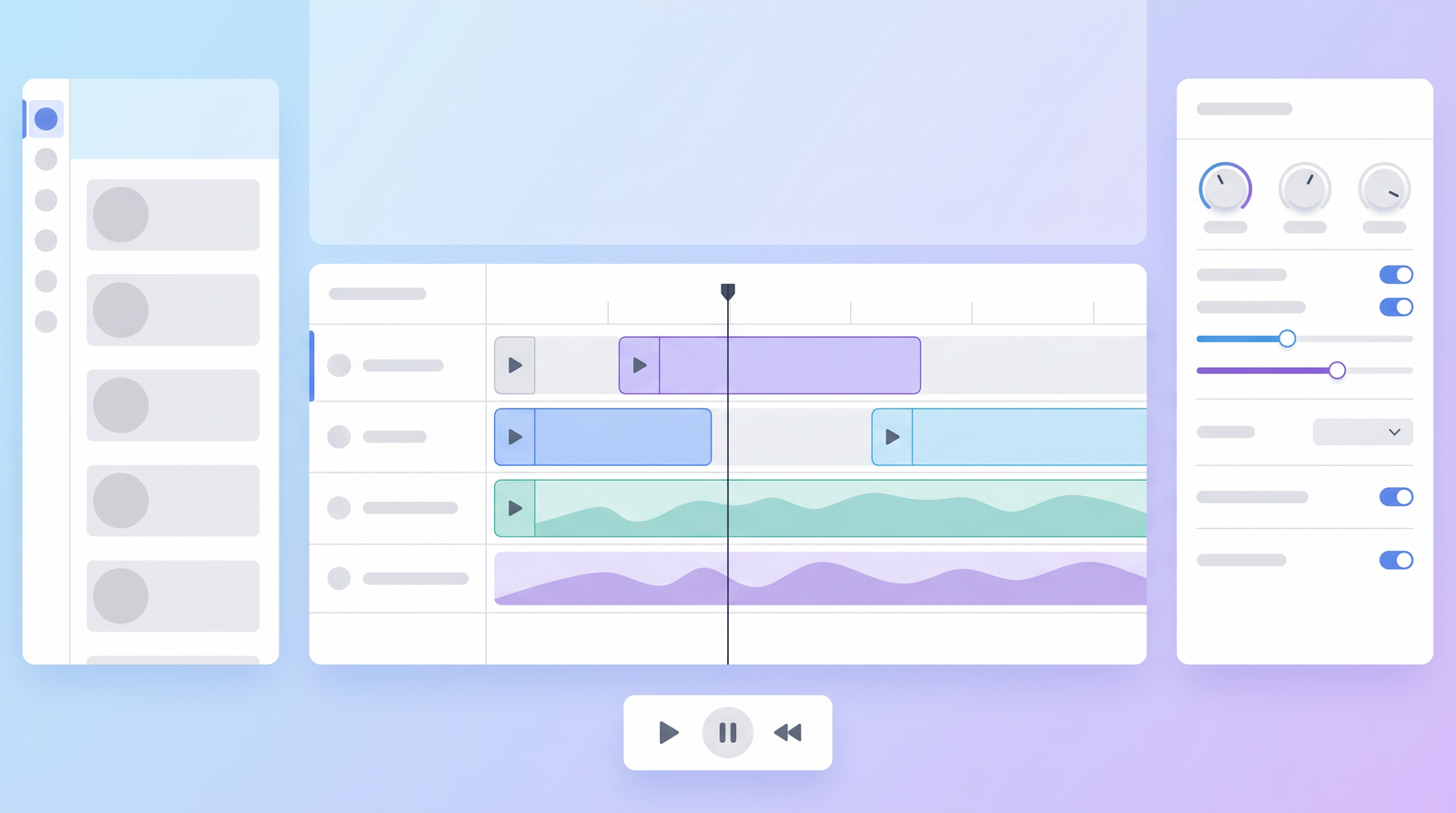
What truly sets ElevenLabs apart, and what I keep coming back to, is the sheer quality and diversity of its voices. The audio output consistently sounds natural, expressive, and maintains a remarkable level of consistency throughout even long pieces of text. It's this "human-like" quality that distinguishes it from many competitors, making the voices feel rich, emotional, and genuinely pleasant to listen to.
The platform boasts a wide range of options, supporting over 70 languages and numerous accents. This means you can find a voice that fits almost any context, whether you need a crisp American accent for a corporate explainer or a warm British storyteller for an audiobook. For specific use cases, certain voices have gained significant popularity among the user base. For instance, 'Natasha - Valley Girl' is a favorite for energetic social media content and YouTube Reels, known for grabbing attention immediately. For more serious content, I've found 'Aaron' to be excellent for AI and tech news, while 'Cassidy' works beautifully for podcasts.
For long-form content like audiobooks, voices such as 'Bill L. Oxley' and 'David - British Storyteller' are highly effective, providing the gravitas and consistency needed for extended narration. This diversity isn't just about quantity; it's about finding the *right* voice that resonates with your audience and suits your content's tone. While the raw output is impressive, achieving truly professional-grade audio for something like an audiobook often still requires some fine-tuning of pacing and pauses, but the foundation ElevenLabs provides is exceptional.
Voice Cloning in Practice
Voice cloning is arguably one of ElevenLabs' most compelling features, and it's certainly one that excites creators the most. In practice, it's surprisingly straightforward: you provide the platform with an audio sample of a voice you want to replicate, and its AI models then learn to generate new speech in that exact voice. There are generally two tiers to this – Instant Voice Cloning (IVC) for quick, good-enough results from short samples, and Professional Voice Cloning (PVC) for higher fidelity and more robust cloning, which typically requires more extensive and cleaner audio inputs.
The applications for this are vast. For me, as a content creator, the ability to generate personalized narration in my own voice, even when I'm short on time or don't have access to a recording studio, is invaluable. It allows for a consistent brand voice across all my content without the repetitive effort of recording. Indie authors, in particular, have found this feature to be transformative, enabling them to narrate their own audiobooks without the technical hurdles or the significant cost of hiring a professional narrator for each title.
However, with such powerful technology comes important ethical considerations. ElevenLabs is generally proactive about safety, often requiring consent to clone a voice, especially for commercial use. This is crucial to prevent misuse and ensure that individuals maintain control over their vocal identity. While the technology is impressive, users must always be mindful of obtaining proper permissions and adhering to ethical guidelines when cloning voices, especially those that aren't their own.
AI Dubbing and Sound Effects for Localization
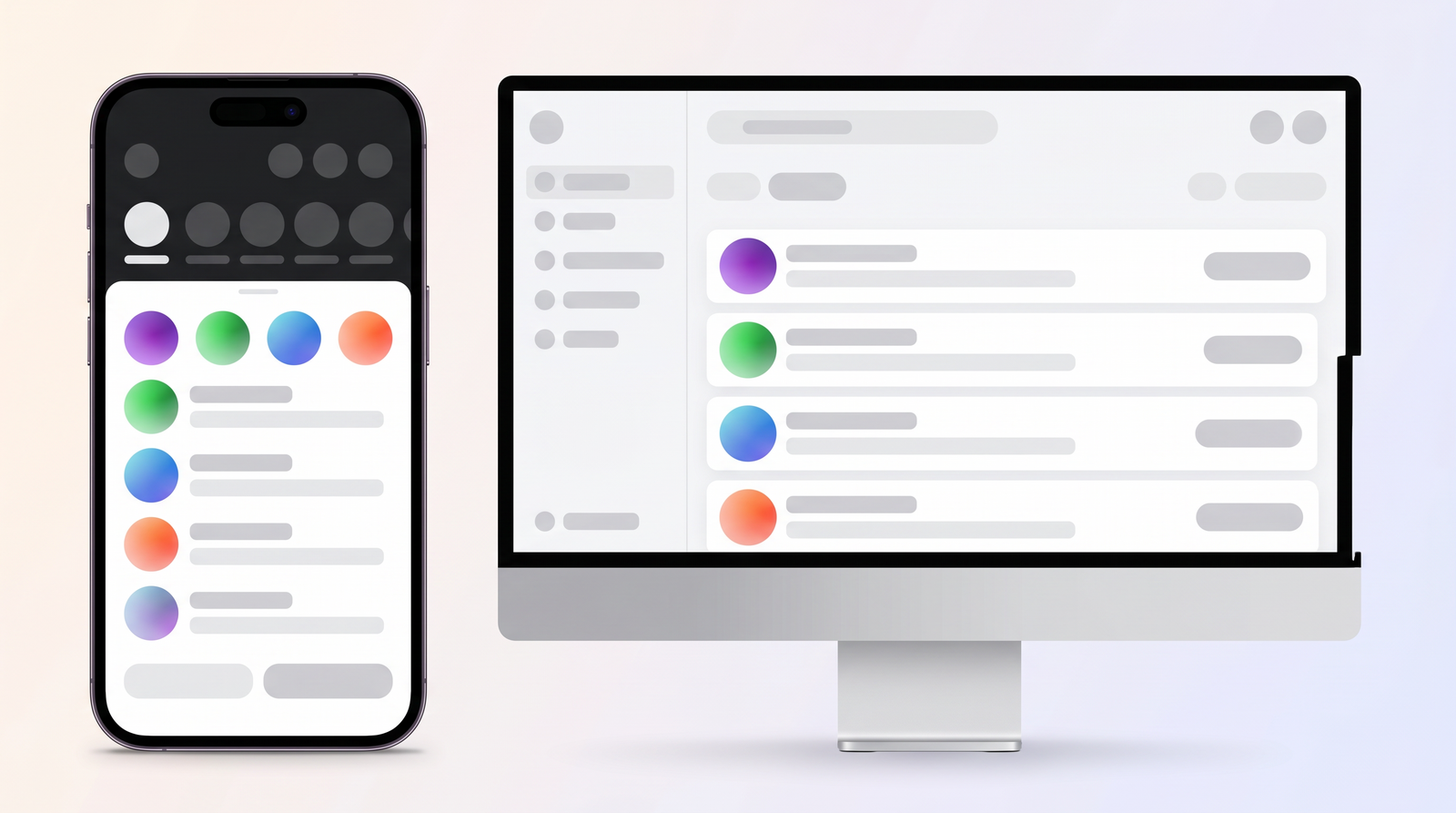
Expanding a content's reach to a global audience used to be a complex, expensive, and time-consuming endeavor, often involving multiple voice actors and intricate post-production. ElevenLabs' AI Dubbing feature aims to streamline this process dramatically. What I find particularly impressive about their dubbing capability is its ambition to not just translate the words, but to preserve the original speaker's unique voice and emotional delivery across different languages. This means your audience can experience content in their native tongue while still recognizing the familiar voice of the creator, which is a powerful connection to maintain.
This multilingual dubbing is a significant step forward for localization, allowing creators and businesses to adapt their content for diverse markets without losing the authentic feel of the original. Imagine a YouTube channel instantly making its videos accessible to Spanish, French, or German speakers, all while retaining the creator's distinct vocal identity. It's a game-changer for breaking down language barriers and fostering broader engagement.
Beyond vocal translation, ElevenLabs also offers the intriguing ability to generate custom sound effects from simple text prompts. While not as central as the voice generation, this feature adds another layer of creative control. Need the sound of 'distant thunder' or 'a bustling marketplace'? You can type it in and get an AI-generated sound. While the practical usefulness can vary depending on the complexity of the request, it certainly opens up new avenues for quick sound design and can, in certain situations, replace traditional workflows, saving both time and cost in audio production.
ElevenLabs Pricing and Credit System
Navigating the pricing structure of ElevenLabs can be a bit of a learning curve, primarily because it operates on a credit-based system. Most plans are subscription-based and come with a set amount of credits, which are consumed based on the number of characters you generate. For instance, the free tier allows you to generate a limited number of characters, which is great for testing the waters. Paid plans typically range from about $4.17 (likely an annual equivalent) up to $99 per month, scaling with the number of characters and features like voice cloning or higher-quality audio.
Here's where some of the common frustrations, which I've certainly experienced and seen echoed by many users, come into play. Credits can be consumed quite quickly, especially if you're making frequent revisions, experimenting with different voice settings, or if there are occasional technical glitches that cause generations to fail but still deduct credits. This can lead to unexpected credit depletion, particularly when working on long-form content or multiple projects.
Another significant point of contention is the 'use it or lose it' policy. Credits typically reset monthly, and any unused credits do not roll over. This means you have to be strategic about your usage. What's more frustrating, and a point of frequent complaint, is that if you decide to cancel your subscription, ElevenLabs has been known to take back any remaining credits, even if you've already paid for that month. It feels a bit like you didn't pay for them in the first place, which can be a sour note for users. Despite these complaints, for many, the quality justifies the investment, but it’s definitely something to be aware of when planning your budget and workflow.
| Plan | Price (per month) | Best for |
|---|---|---|
| Starter | ~$5 | New users, small projects, testing features |
| Creator | ~$22 | YouTube creators, podcasters, indie authors with moderate needs |
| Pro | ~$99 | Businesses, high-volume content creators, professional studios |
Pros and Cons: A Balanced View
After spending considerable time with ElevenLabs, I can confidently say it brings a lot to the table, but it's not without its quirks. On the positive side, the platform's ability to generate incredibly realistic and human-like voices is consistently praised. The sheer diversity in accents, languages, and vocal styles means you can find a voice for almost any project, and the voice cloning feature is a true standout for maintaining a personalized touch or brand consistency. For indie authors, in particular, it represents a dramatic cost-saving compared to hiring professional narrators, making audiobook creation much more accessible.
"The voice quality is realistic and human-like. There are many voice options with different accents and languages. Voice cloning works..." - A recurring sentiment among users.
However, it's crucial to acknowledge the downsides. The credit system, while common, can be a source of frustration. Credits are consumed quickly, especially when you're iterating on a script or if you encounter a technical glitch that still deducts credits. The 'use it or lose it' policy for monthly resets, and the practice of reclaiming credits upon cancellation, are definite pain points for many users. Furthermore, while the raw voice quality is excellent, achieving truly polished, professional-grade audio, especially for long-form content like audiobooks, often requires significant post-generation editing to refine pacing, add appropriate pauses, and adjust emotional nuances. It's not a 'set it and forget it' solution for perfection.
- Pros:
- Highly realistic, human-like voice quality
- Extensive diversity in voices, accents, and languages
- Powerful voice cloning capabilities (IVC, PVC)
- Significant cost savings for authors and content creators
- Good for YouTube, social media, and explainer videos
- Cons:
- Rapid credit consumption, especially with revisions
- "Use it or lose it" credit policy with monthly resets
- Credits can be reclaimed upon subscription cancellation
- Requires post-generation editing for professional-grade output
- Occasional technical glitches can consume credits
Performance, Speed, and User Experience
From a user experience standpoint, ElevenLabs generally shines. The platform is quite intuitive, and I found the setup process to be straightforward. You can typically get started with generating audio very quickly, which is a huge plus when you're in a creative flow. The user interface is clean and easy to navigate, making it simple to paste text, select a voice, and initiate generation. The speed of generation is also impressive; for shorter pieces, you'll often have your audio back in seconds, and even longer segments are processed relatively quickly.
However, while the initial generation is fast and the settings are simple to adjust, it's important to manage expectations for professional output, particularly with long-form content. As I've noted in my own work, and as many others have found, the raw generated audio, while high-quality, often needs some finessing. You'll likely need to spend time in an audio editor to fix pacing issues, add more natural pauses, and potentially adjust intonation to achieve a truly polished result that sounds seamless and engaging.
This isn't a criticism of ElevenLabs' core technology, but rather a realistic assessment of the current state of AI audio. It provides an excellent foundation, but the subtle art of human speech – the nuances of a well-timed pause or a specific emotional emphasis – still often benefits from human oversight and editing. So, while the platform is incredibly user-friendly and fast for initial output, factor in some post-production time if your goal is truly professional-grade audio for things like audiobooks or high-stakes video narration.
Best Use Cases and Target Audience
ElevenLabs is clearly designed with a diverse set of users in mind, but I've found it particularly valuable for specific target audiences and use cases. One of the biggest beneficiaries is undoubtedly the YouTube creator community, especially those running "faceless" channels or producing content that relies heavily on voiceovers without a presenter on screen. It allows them to churn out consistent, high-quality audio for explainer videos, top-10 lists, and news updates without the need for recording equipment or vocal talent.
Indie authors are another group that stands to gain immensely. Creating audiobooks used to be prohibitively expensive, but ElevenLabs offers a dramatically cheaper alternative for narrating their own works, particularly for those with extensive backlists. Podcasters can also leverage the platform for intros, outros, or even entire segments, ensuring a consistent audio brand. Businesses find it useful for generating voiceovers for marketing videos, training modules, and internal communications, especially when localization into multiple languages is a requirement.
Specific examples where ElevenLabs shines include: creating engaging voiceovers for social media reels (like using the 'Natasha - Valley Girl' voice), narrating full audiobooks, producing explainer content that needs clear and professional speech, and even for technical content where precise pronunciation is key. It's a powerful tool for anyone looking to scale their audio content production while maintaining a high standard of voice quality.
Verdict: Is ElevenLabs Worth the Investment?
So, after diving deep into ElevenLabs, the question remains: is it worth the investment? My answer is a resounding yes, with a few important caveats. If you're a content creator, an indie author, or a small business needing high-quality, realistic AI voices for a variety of projects, ElevenLabs is, in my opinion, one of the best options available today. The voice quality is genuinely impressive, often indistinguishable from human speech, and the diversity of voices, coupled with the powerful voice cloning and dubbing capabilities, offers immense value.
However, it's crucial to approach ElevenLabs with a clear understanding of its credit system and the need for post-production. The 'use it or lose it' credit policy and the potential for credits to be consumed quickly with revisions or glitches mean you need to plan your usage carefully. And while the AI generates fantastic raw audio, don't expect a perfectly polished, ready-to-publish audiobook or narration without putting in some time for editing pacing, pauses, and emotional nuances. It's an excellent tool, but it's not a magic button that bypasses all human effort.
Ultimately, for its ability to deliver professional-grade voiceovers at a fraction of the cost and time of traditional methods, ElevenLabs is a highly valuable asset for many. It's a powerful enabler for creators looking to scale their audio content and reach wider audiences. You can even see how it stacks up against alternatives on Top10k. If you understand its strengths and limitations, and are prepared to integrate it into a workflow that includes some human editing, then ElevenLabs is absolutely worth the subscription.
Full profile and live ranking: https://top10k.com/ai/elevenlabs
Published by

Meet Top10k Tools — a web-based utility hub packed with thousands of free online tools created to boost productivity.
It spans SEO, file conversion, calculators, developer utilities, image editing, and productivity. All tools are free and browser-based, with no sign-up required to start.
Our mission is reaching 10,000 useful web tools people actually need.
Great for marketers, coders, students, and entrepreneurs, there's likely a tool that fits. Give it a try.
Frequently asked questions
What is ElevenLabs' core function?
ElevenLabs is primarily an AI audio platform focused on converting text into highly realistic, human-like speech. It offers advanced features like voice cloning and multilingual AI dubbing, aiming to provide expressive and natural-sounding audio for various content types.
Is there a free plan for ElevenLabs?
Yes, ElevenLabs offers a free tier that allows users to generate a limited number of characters. This is a great way to test out the platform's features and experience the voice quality before committing to a paid subscription.
How does the credit system work, and what are its downsides?
ElevenLabs uses a credit-based system where characters generated consume credits, which reset monthly. Common complaints include credits being consumed quickly with revisions or glitches, the 'use it or lose it' policy (unused credits don't roll over), and that remaining credits can be reclaimed if you cancel your subscription.
Is the voice quality truly human-like, or does it sound robotic?
The voice quality from ElevenLabs is widely praised for being exceptionally realistic, natural, and expressive, often avoiding the robotic tone found in many other text-to-speech tools. It aims for rich, emotional voices that can convey nuance and engage listeners.
Who benefits most from using ElevenLabs?
ElevenLabs is ideal for YouTube creators, indie authors, podcasters, and businesses. Specific use cases include generating voiceovers for videos, narrating audiobooks, creating explainer content, and localizing content through AI dubbing, offering significant cost and time savings.
Is ElevenLabs easy to use for beginners?
Yes, the platform is generally considered user-friendly with a straightforward setup and intuitive interface. You can quickly generate audio by pasting text and selecting a voice. However, achieving truly professional, polished output for long-form content may require some post-generation editing for pacing and pauses.
Can ElevenLabs replace professional voice actors?
While ElevenLabs produces incredibly high-quality and realistic voices, it's not a complete replacement for professional voice actors in all scenarios. For many applications, it offers a fantastic and cost-effective alternative, but for the most nuanced, emotionally complex, or highly specific vocal performances, a human touch may still be preferred or required, especially for complex long-form content that benefits from human editing for pacing and emphasis.